
Surface cleaning and source cleaning are different things, and in Arizona’s desert environment the distinction matters more than it does in moderate climates, because the volume and character of dust that accumulates in Phoenix and the West Valley creates embedded contamination that surface cleaning doesn’t reach.
Where the Dusty Smell is Coming From
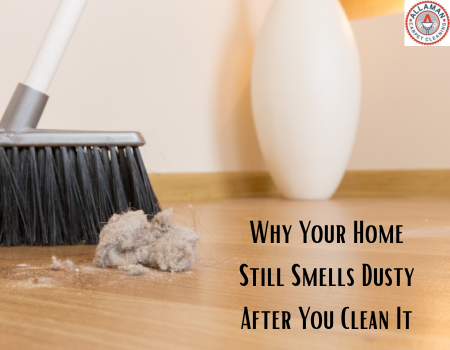 Where the Dust Is
The dusty smell that persists after cleaning is coming from the places that standard cleaning doesn’t touch. A carpet that gets vacuumed weekly has the surface layer of dust removed on a consistent basis. The dust that’s been worked into the carpet fiber by foot traffic, by the compression of furniture, by the static charge that Arizona’s dry air creates, and that pulls particles into the fiber structure rather than leaving them on the surface, that dust stays in the carpet regardless of how thoroughly the surface gets vacuumed. It stays there because a vacuum cleaner’s suction is reaching the top of the pile, not the base of the fiber where the embedded material has been driven.
Upholstered furniture accumulates the same embedded dust through the same mechanism. The sofa that’s been vacuumed and wiped down has a clean surface, and an interior that’s been trapping airborne particles, skin cells, pet dander, and the fine desert particulate that Arizona’s air carries in concentrations that furniture in other climates doesn’t accumulate at the same rate. Every time someone sits down, some of that embedded material gets released back into the air.
Air ducts are a source that contributes to the dusty smell most consistently, and that gets addressed least often in standard cleaning routines. The duct system that distributes conditioned air through the house is also distributing whatever’s accumulated inside it. Dust, debris from years of normal accumulation, and any mold or biological growth that’s in the ductwork in areas where condensation creates the conditions for it — all of this gets moved through the home with every cycle of the HVAC system. A room that smells dusty thirty minutes after it was cleaned, is a room whose air is being replaced with air that passed through a duct system, carrying the contamination the cleaning didn’t address.
What Arizona’s Environment Does to This
When dust accumulates in an Arizona home, it is usually denser and finer than the dust that accumulates in moderate climates, and both of those characteristics make it more likely to embed in surfaces and more persistent in the air once disturbed. The mineral particulate that haboobs carry, the fine clay fraction that passes through standard filtration, the general atmospheric load of a desert environment that doesn’t have the vegetation cover and moisture that moderate climates have to keep particulate settled — this material behaves differently in carpet fiber, furniture fabric, and duct systems than the coarser dust that’s easier to remove with standard cleaning.
The low humidity that characterizes the Phoenix and West Valley environment year-round keeps the dust in a dry, fine state that becomes airborne easily when disturbed. A humid environment allows dust particles to clump and settle more readily. The dry Arizona air keeps fine particles suspended longer after any disturbance, which is why the room that was just cleaned smells dusty again quickly. The cleaning disturbed the embedded material and the dry air kept it airborne rather than letting it settle before anyone noticed.
What Actually Addresses the Source
Professional carpet cleaning that uses hot water extraction reaches the base of the carpet fiber rather than the surface. The process forces cleaning solution into the fiber structure and extracts it along with the embedded material that vacuuming leaves behind. The difference in what comes out of a carpet during professional hot water extraction, compared to what a vacuum removes in the same area is visible, and significant.
Upholstery cleaning that uses the same extraction approach addresses the embedded material in furniture fabric in the same way. A sofa that’s been professionally cleaned isn’t releasing the particulate and biological material that the embedded contamination was releasing with every use because the extraction process removed it rather than just moving it around.
Air duct cleaning that removes the accumulated contamination from the duct system addresses the distribution source that keeps recirculating what surface cleaning removes. A duct system that’s been cleaned isn’t adding contamination to the air it’s moving through the home.
Dryer vents accumulate lint and debris that can contribute to the overall air quality and odor situation in homes where the vent run is long or where the vent hasn’t been cleaned in years. A clogged or partially blocked dryer vent that’s pushing moist, lint-laden air back into the laundry space rather than exhausting it fully outside is adding moisture and particulate to an indoor environment that’s already accumulating contamination from other sources.
Why It Keeps Coming Back
The dusty smell that returns within days of cleaning will keep returning on the same schedule until the embedded sources are addressed rather than the surface. Surface cleaning maintains the appearance of cleanliness and doesn’t change the smell that comes from the carpet base, the furniture interior, and the duct system. Those sources release what they contain on a timeline that’s independent of how often the surface gets cleaned.
In Arizona’s environment the accumulation rate is faster than in moderate climates, which means the interval between professional deep cleaning that actually reaches the sources needs to be shorter than national guidance for similar services suggests.
The Arizona Department of Health Services’ indoor air quality resources cover how desert dust composition affects residential air quality, what accumulation rates in Arizona homes mean for indoor environmental health, and what cleaning approaches address the embedded contamination sources that affect indoor air quality rather than just the surface conditions that standard cleaning addresses — authoritative state health context for Phoenix and West Valley homeowners trying to understand why their indoor air quality and dust situation requires a different approach than general household cleaning guidance suggests